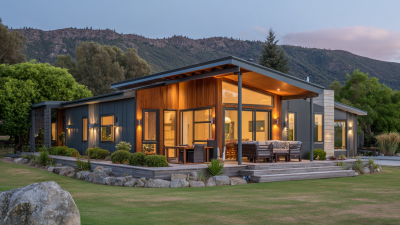
Lately, more and more folks are talking about living in a China Container House, and honestly, it’s kind of catching on. Experts are going back and forth about what makes it a good idea, and you can tell there’s real excitement about the whole eco-friendly housing movement. I mean, John Wang, from Eco Container Homes, sums it up nicely when he says, “Container houses are pretty versatile and can be great for sustainable living.” It really shows how people are starting to prioritize eco-conscious options these days.
Living in one of these China Container Houses can be pretty thrilling, but yeah, it’s not all smooth sailing. They’re small, but surprisingly functional. Most are designed to squeeze the most out of every inch, which is pretty smart. But, here’s the thing: dealing with cold or hot weather can be a challenge if the house isn’t properly insulated. Good ventilation is also super important if you want to stay comfortable.
And honestly, these homes look pretty cool! Lots of folks love that industrial vibe and see lots of potential for customizing them to fit their style. You can really make them your own, which is pretty awesome. Of course, it’s also important to keep in mind local rules and zoning laws because that can vary a lot depending on where you are. So, while there are tons of perks, it’s a good idea to really think about both the pros and cons before jumping in.
Container houses are gaining traction for sustainable living. They offer eco-friendly benefits while being budget-friendly. The use of repurposed shipping containers helps reduce waste. According to a 2022 report by the Environmental Protection Agency, sustainable housing options can reduce carbon footprints by up to 50%.
Living in a container house promotes energy efficiency. These homes can be designed to use solar panels and rainwater harvesting systems. Studies show that homes designed with sustainability in mind can save up to 30% on energy consumption. This transition not only lowers bills but also minimizes environmental impact.
Tip: Insulate effectively. Good insulation retains heat during winter and keeps homes cool in summer. Choose materials that enhance energy efficiency.
While the benefits are clear, it’s important to consider potential drawbacks. Container houses require proper zoning and permits. Not every location may permit their construction. Accessibility can be an issue, especially in remote areas.
Tip: Research local regulations. Understanding zoning laws can save time and effort. Take the time to plan and ensure compliance.
| Benefit | Description | Environmental Impact | Cost Efficiency |
|---|---|---|---|
| Sustainability | Container houses utilize recycled materials, reducing waste and environmental impact. | Low | High |
| Affordability | Lower construction costs compared to traditional homes. | Medium | Very High |
| Flexibility | Easily customizable designs allow for personal preferences in layout and aesthetics. | Low | High |
| Mobility | Easily transportable; can relocate the housing with minimal effort. | Medium | High |
| Speed of Construction | Quick assembly compared to traditional building methods. | Medium | High |
| Durability | Steel structure is highly resistant to natural disasters and pests. | Low | Medium |
| Energy Efficiency | Proper insulation can lead to lower energy costs. | Medium | High |
| Modern Aesthetic | Contemporary and stylish designs appeal to modern tastes. | Low | Medium |
| Community Building | Encourages collaborative living spaces and communal activities. | Medium | High |
| Investment Potential | Increasing popularity may increase property value over time. | Low | High |
Container homes are gaining popularity for their affordability. They offer an intriguing solution for housing needs, especially in urban areas. The initial cost of a container house can be much lower than traditional homes. Prices can vary, but many find it budget-friendly. A standard shipping container can be bought cheaply, especially when purchased used.
However, the savings do not stop at the purchase. Container homes often require less maintenance than conventional structures. They are built from durable materials, resistant to many environmental factors. Energy-efficient designs can further reduce utility costs. Homeowners can also personalize their space without excessive expenses. Creative renovations can transform a simple container into a unique living area.
Yet, there are challenges. Not everyone appreciates the aesthetic of shipping containers. Some might struggle with zoning laws or find the insulation inadequate. Understanding local regulations is essential for success. Overall, while container houses offer exciting possibilities, thoughtful planning is crucial for maximizing their potential.
Container houses offer remarkable flexibility and customization options. Homeowners can choose from various layouts, colors, and finishes. This adaptability allows for unique designs tailored to individual tastes. Want an open-plan space? No problem. Prefer cozy nooks? Easy to implement. The modular nature of shipping containers means that options are nearly endless.
When planning your container home, think about your lifestyle. Do you enjoy entertaining? Create an open kitchen and living area. Need a quiet workspace? Design a compact office within the container. Remember, every choice shapes your living experience. It’s crucial to visualize how you’ll use each space.
Tip: Use light colors to enlarge small areas. Dark shades can make them feel even more cramped. Try to mix different textures for an inviting atmosphere. You can create a modern look with industrial elements if you prefer. Experiment with various arrangements before finalizing your design. Reflect on your choices; it’s okay to change your mind. Your container home should feel personal and functional.
Living in a container house offers unique advantages, particularly in terms of durability and longevity. Shipping containers are designed for heavy loads. They withstand rugged conditions during transport across oceans. This robust construction makes them resilient against harsh weather, pests, and mold.
Container houses can last decades with minimal maintenance. They resist rust, especially when treated with protective coatings. However, proper insulation is crucial. Without it, residents might face temperature fluctuations. Some owners find their homes too hot in summer or too chilly in winter. Thoughtful design can help, but it's vital to consider local climate conditions.
Even with their strengths, container homes require reflection. Adapting them to personal style can be tricky. Designing the interior space is a challenge. Walls can feel boxy, limiting creativity. Additionally, local building codes may impose restrictions on modifications. Thus, a balance between durability and personalization often needs careful planning.
Container homes offer various eco-friendly building practices that benefit both the environment and homeowners. Using repurposed shipping containers reduces the demand for new materials. This recycling method minimizes waste, which is crucial in today’s fast-paced world. The insulated containers can be designed to reduce energy consumption significantly. This leads to lower utility bills and a smaller carbon footprint.
Moreover, container houses require less land for construction. They can be stacked or arranged creatively, making efficient use of space. This adaptability is especially valuable in urban areas where land is scarce. However, some builders may overlook proper insulation, which leads to temperature control issues. It's essential to invest in quality insulation to ensure comfort year-round.
Embracing this unconventional housing option can be an adventurous journey. While affordable, upfront costs may vary based on design and customization. Homeowners need to consider maintenance as some materials may rust over time. Despite the challenges, container homes remain a compelling choice for those seeking sustainability and innovation in their living spaces.
When it comes to rapid construction, container houses shine. According to a recent report from the International Modular Housing Association, container homes can be built 30% faster than traditional houses. This speed largely stems from their modular nature. Instead of extensive site preparation, most elements are pre-fabricated. This means fewer delays due to weather conditions or labor shortages.
Another aspect that enhances their efficiency is the streamlined design process. Many builders adopt standardized layouts. This reduces planning time and expedites construction. Industry data suggests that many projects can move from design to occupancy within months, not years. Yet, this speed can be a double-edged sword. Quick builds may sometimes sacrifice custom features that owners desire.
Cost savings accompany these swift timelines. A report by the Modular Construction Institute shows that container homes can be 20-40% cheaper than traditional designs. However, it’s crucial to reflect on quality control. Rapid construction may lead to rushed work, which could affect durability. It's vital for buyers to be aware of these potential pitfalls. Balancing speed with high standards is essential to ensure lasting satisfaction.
Container living offers innovative interior spaces and creative layouts that redefine home design. The versatility of shipping containers allows for various configurations. You can stack them, combine them, or create unique structures that suit your style. The industrial aesthetic can blend beautifully with natural surroundings. Imagine large windows bringing in sunlight. The spacious feel can surprise anyone stepping inside.
Creating a functional layout is essential. Consider multi-functional furniture to maximize space. A fold-down table can transform a living area into a workspace. Use modular pieces that can be customized as per your needs. Tips for storage include utilizing vertical space. Shelves can be installed above furniture or within the walls. This approach minimizes clutter and enhances organization.
Living in a container home might not be for everyone. The initial setup can be challenging, and insulation requires consideration. Finding the right location is crucial too. Access to utilities must be addressed. Some people may struggle with the minimalist lifestyle. Embracing simplicity takes time. However, the unique features of container living often outweigh the drawbacks. Adaptability and creativity lead to rewarding designs.
: Users can save time and simplify tasks. It offers efficiency in managing routine activities.
Yes, orientation sessions and tutorials are available. However, some may find them lacking in depth.
Yes, it's mobile-friendly. Users often prefer this convenience for on-the-go access.
Certain features may not be available everywhere. Users should evaluate if these limitations fit their needs.
Users can submit feedback through designated channels. Yet, responses may take longer than expected.
There is a support team available. Users, however, sometimes feel their concerns aren't addressed promptly.
The article "Top 10 Benefits of Living in a China Container House" explores the numerous advantages of choosing container homes for sustainable living. These homes are cost-effective and affordable, making them accessible to a wide range of individuals. Additionally, the flexibility and customization options allow homeowners to tailor their living spaces to meet personal preferences and needs.
Container houses are designed for durability and longevity, ensuring they withstand various environmental conditions. Emphasizing eco-friendly building practices, these homes contribute to sustainable living. The rapid construction timeframes associated with container house projects enable quicker occupancy, while innovative interior spaces and creative layouts provide unique living environments that cater to modern lifestyles. Overall, a China Container House represents a practical and sustainable housing solution in today’s world.