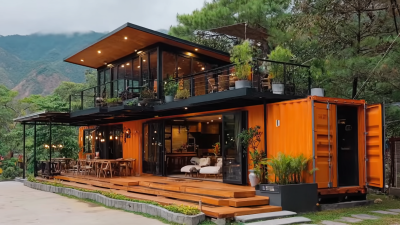
Container houses are really starting to catch on when it comes to eco-friendly living. These cool structures, built from old shipping containers, are not only more affordable but also better for the environment. Companies like Container Spaces and MODS International are really leading the charge, coming up with some pretty creative designs that mix practicality with a touch of style.
One of the great things about these homes is how easily they can be customized. A lot of them incorporate solar panels to help save energy, which is a pretty nice touch. Of course, it’s not all perfect — some folks run into issues with insulating the space or dealing with limited room. It definitely takes some thoughtful planning to make sure they’re comfortable and sustainable in the long run.
Honestly, choosing a container home isn’t just about jumping on a trend; it’s more like a lifestyle choice. It pushes for a simpler, less wasteful way of living that’s better for the planet. But at the same time, it’s worth thinking about how these homes fit into the bigger picture of the community. Are they helping meet housing needs? Or could they end up making urban spaces even more crowded or complicated? It’s something to keep in mind as this trend grows.

Understanding Container Houses: A Sustainable Living Option
Container houses have emerged as a popular solution for sustainable living. With a focus on reusability, they transform discarded shipping containers into homes. These structures can often be built at a fraction of traditional building costs. They are also energy-efficient, requiring less material and labor.
Living in a container home presents unique challenges. Insulation can be a concern, particularly in extreme climates. Many people have to invest in proper ventilation systems. Water management is another factor. Ensuring proper drainage around the home is crucial to avoid flooding.
Despite these challenges, container houses offer a creative way to live sustainably. They can be designed in various styles to match personal tastes. Some people even stack containers to create multi-story houses. It’s important to reflect on both the benefits and drawbacks. Container homes can lead to a more eco-friendly lifestyle, but careful planning is essential.
Key Benefits of Container Houses for Eco-Friendly Living
Container houses are becoming increasingly popular for sustainable living. They offer a unique solution to traditional housing challenges. These homes are made from repurposed shipping containers, which means they have a lower environmental impact. They reduce waste by using materials that would otherwise end up in landfills. However, many people still hesitate, fearing a lack of comfort or aesthetics.
One major benefit of container houses is their energy efficiency. They can be easily insulated, leading to lower energy bills. Many owners choose to install solar panels on their roofs, further reducing their carbon footprint. Rainwater harvesting systems can also be integrated, making these homes self-sufficient. Yet, some might find the initial setup costs daunting. It often requires creative planning to get the desired layout and features.
Moreover, container houses encourage a minimalist lifestyle. Living in a smaller space forces individuals to declutter their lives. It promotes mindful consumption and reduces unnecessary possessions. However, this can be a challenging transition for some. Adjusting to smaller living quarters may require emotional reflection and acceptance. Embracing these challenges can lead to a more fulfilling and eco-friendly life in the long run.
10 Best Container House Solutions for Sustainable Living
| Container Type |
Size (sq ft) |
Insulation Type |
Key Features |
Eco-Friendly Materials |
Estimated Cost |
| Standard Shipping Container |
320 |
Foam Insulation |
Modular Design, Stackable |
Reclaimed Wood, Recycled Metal |
$15,000 |
| One-Bedroom Container Home |
400 |
Spray Foam |
Energy Efficient, Large Windows |
Bamboo Flooring, Solar Panels |
$25,000 |
| Eco-Friendly Container House |
500 |
Cotton Insulation |
Green Roof, Rainwater Harvesting |
Eco-Friendly Paint, Recycled Steel |
$30,000 |
| Two-Story Shipping Container Home |
640 |
Mineral Wool |
Open Layout, Office Space |
Natural Stone, Reclaimed Wood |
$45,000 |
| Container Studio |
200 |
Fiberglass Insulation |
Compact Design, Multi-Use |
Sustainable Wood, Low VOC Paint |
$10,000 |
Top Design Features of Modern Container Homes
Modern container homes offer innovative design features that cater to sustainable living. Their modular structure is highly customizable, allowing for unique layouts. Large windows provide natural light, creating an inviting atmosphere. The use of recycled materials is common, promoting eco-friendly choices. Each container can be insulated effectively, minimizing energy consumption. Rooftop gardens add greenery and help with insulation.
However, not all designs are flawless. Some struggle with proper ventilation, impacting air quality. Additionally, rust and wear over time can be concerns. Incorporating solar panels can increase sustainability but requires upfront investment. Each of these design features comes with its own set of challenges. Balancing aesthetics and functionality is crucial but often overlooked. Thoughtful planning is necessary to ensure the home remains a comfortable and efficient space.
Exploring Different Types of Containers for Housing Solutions
Container homes have gained popularity due to their unique features and sustainability. Many people explore different types of containers for housing. Shipping containers are the most common choice. They are sturdy and readily available. Using these as homes allows for creative designs. Each container can be transformed into a cozy space. However, the insulation can be a challenge.
Other types of containers, like cargo and modular units, also offer interesting options. Cargo containers can be configured in diverse ways. They can be stacked or placed side by side. This modularity allows homeowners to get creative. However, joining multiple containers might require careful planning. This is often a more complex process than anticipated.
Building with containers requires reflection on sustainability practices. Not every container is ideal for living. Some might have residual chemicals or rust. It's essential to inspect containers before use. Additionally, retrofitting containers for electrical and plumbing needs is often overlooked. Homeowners should commit to thorough research and planning to ensure long-term comfort and safety.
Cost Analysis: Budgeting for Container House Projects
Building a container house can be an exciting journey, but budgeting is crucial. Typically, costs can range from $10,000 to over $100,000. It all depends on size, location, and customization. A basic container home, with minimal renovations, will be on the lower end.
However, adding features like insulation, plumbing, or solar panels increases expenses. Discrepancies often arise during the project. Hidden issues, like structural integrity or local regulations, can inflate costs. Unexpected expenses can sour the experience. Keeping a flexible budget helps manage surprises, ensuring a smoother process.
Don’t forget about site preparation and permits. These can add thousands to your budget. Consider the long-term costs too. Maintenance, utility expenses, and insurance are important factors. A well-planned budget considers these elements. It transforms container living from a trendy idea into a sustainable lifestyle choice.
Essential Considerations for Building Container Homes
When considering container homes, location is key. Look for a site with good drainage and access to sunlight. If the ground isn’t stable, it may require extra work. Container houses can be heavy; ensure the foundation can support it. Also, think about local zoning laws affecting your build.
Tips: Check local regulations. They differ in every area. Ignoring them can lead to project delays. Plan carefully to avoid costly mistakes later.
Insulation plays a crucial role in container homes. Metal can heat up quickly, leading to uncomfortable living conditions. Use quality insulation that suits your climate. Explore options like spray foam or eco-friendly materials. Remember, not all insulation will work in every climate.
When planning the layout, consider how you’ll use the space. Open floor plans can maximize small areas, but they may not offer privacy. Think about how you’ll accommodate your lifestyle. You might need to adjust your expectations on size and functionality.
Real-Life Examples of Successful Container House Communities
Container houses are gaining popularity for sustainable living. Communities across the globe are embracing this eco-friendly solution. Many of these setups showcase creativity and innovation. However, challenges still exist.
In one community, colorful containers create a vibrant atmosphere. These homes are energy-efficient and utilize recycled materials. Yet, some residents face issues with insulation and temperature control. The design may look modern, but comfort can fall short. Community members often share tips to address these problems.
Another instance highlights a container village formed in a rural area. Residents enjoy the benefits of affordable living. They grow their own food and promote a sense of community. However, parking can be a hassle, and space is often limited. These imperfections spark discussions about future improvements and adaptability.
FAQS
: It serves to enhance daily productivity and streamline tasks.
Anyone looking to improve their efficiency can find it useful.
It automates repetitive tasks, freeing up time for important activities.
Yes, some users might find it challenging initially. Practice is essential.
Yes, it is compatible with various platforms and devices.
Refer to the user manual first. If issues persist, consider seeking help.
Regularly checking can ensure optimal performance. Monthly reviews can be useful.
Basic technical skills are needed. Following the instructions carefully is crucial.
Support options are provided, but response times may vary.
Reflect on your use and consider whether adjustments can enhance your experience.
Conclusion
Container House Solutions have emerged as a popular option for sustainable living, offering an innovative approach to housing. These homes are built using repurposed shipping containers, providing an eco-friendly alternative that minimizes waste and reduces the carbon footprint associated with conventional construction. The benefits of container houses include their affordability, flexibility in design, and rapid construction timelines. They can be customized to include modern features, resulting in stylish and functional living spaces.
When exploring container house solutions, it's essential to consider the various types of containers and their suitability for different housing needs. A detailed cost analysis helps in budgeting for container house projects effectively. Successful real-life examples of container house communities further showcase the potential of this living option, demonstrating how sustainable practices can be integrated into everyday life while fostering a sense of community. Overall, container houses represent a forward-thinking approach to sustainable living and urban development.