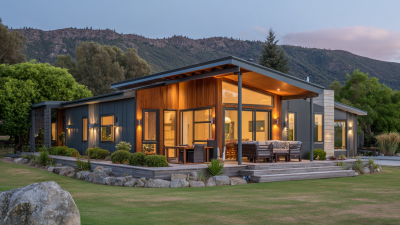
Building a container house in China has really become a pretty popular choice lately, especially for folks looking for something that's both eco-friendly and budget-friendly. I mean, the cool thing about container homes is their unique look and how versatile they are—kind of a modern twist compared to your usual house. With China's rapid urban growth and the huge demand for housing, more people are now getting creative with shipping containers, turning them into liveable spaces. So, if you're thinking about jumping into this, this guide’s got your back. I’ll walk you through the main steps needed to get a container house up and running in China, covering key points like design, where to place it, and the rules you need to keep in mind.
As we go along, I’ll share some handy tips to help make the whole building process smoother—while also making sure you’re on the right side of local building laws. And, of course, cost is a big deal, right? So, I’ll also give you a rough idea of what kind of expenses you might be looking at when building your own container home in China. By the time you finish reading this, you'll have a pretty good grasp of what it really takes to turn a shipping container into a cozy home, and you'll feel more confident about starting your own little project. It’s a fun journey, and I hope you’ll find it inspiring!

Understanding Container Houses: An Overview for Chinese Homeowners
Container houses have been gaining popularity in China as an innovative and sustainable housing solution. This trend aligns with the increasing urbanization and the urgent demand for affordable housing. According to a 2023 report by the China Real Estate Association, the cost of traditional homes has surged by over 30% in the past five years, pushing many potential homeowners to seek alternative options. Container houses are attractive due to their lower construction costs, which can be up to 50% less than conventional buildings. Moreover, they offer flexibility in design and can be constructed relatively quickly, allowing homeowners to achieve their housing goals in a shorter timeframe.
In terms of environmental impact, container homes present a promising solution. The same report highlights that transforming shipping containers into livable spaces can significantly reduce material waste, as it repurposes unused containers that would otherwise contribute to landfill. With an average lifespan of over 25 years, these structures provide a sustainable option for modern living. Furthermore, as Chinese cities continue to face challenges related to pollution and sustainability, container houses embody a growing trend towards eco-friendly construction practices. By utilizing green technologies and energy-efficient solutions, homeowners can minimize their carbon footprint while creating comfortable living spaces.
Planning Your Container House: Key Considerations and Regulations
When planning a container house in China, it is essential to start with understanding the local regulations and building codes that govern such structures. Each municipality may have its own specific guidelines regarding the zoning, design, and construction of container homes. Typically, you will need to secure the necessary permits before commencing any construction. Engaging with local authorities early in the process can help you navigate these regulations smoothly, ensuring that your project meets all legal requirements.
Another key consideration is the location of your container house. The landscape, climate, and accessibility of your chosen site can significantly affect the design and construction process. Factors such as insulation, drainage, and foundation type must be taken into account to ensure durability and comfort. Additionally, incorporating sustainable practices and materials can enhance the overall efficiency of your container home. Conducting a thorough site assessment and consulting with professionals experienced in container architecture can lead to a successful and compliant project tailored to your needs.
Selecting the Right Location: Factors to Consider for Container Homes
When selecting the right location for a container home in China, several factors must be taken into consideration to ensure a successful and comfortable living environment. First and foremost, the geographical climate plays a crucial role. Different regions experience varying weather conditions, from extreme heat in the south to harsh winters in the north. It's essential to choose a location that complements the insulation and construction of the container to enhance energy efficiency and occupant comfort.
Additionally, accessibility is a key factor when determining the site for a container home. Proximity to essential services such as schools, hospitals, and grocery stores can greatly affect your quality of life. A location with good transportation links can also facilitate easier commuting. Furthermore, one should consider the local zoning laws and regulations pertaining to container homes, as these can vary widely across different provinces and municipalities. Understanding these legal frameworks will help in avoiding potential issues during and after the construction process.
How to Build a Container House in China Tips and Cost Guide 2025 - Selecting the Right Location: Factors to Consider for Container Homes
| Factor |
Importance Level |
Average Cost ($) |
Recommended Areas |
| Zoning Regulations |
High |
200 |
Urban Areas |
| Climate Conditions |
Medium |
150 |
Southern China |
| Proximity to Amenities |
High |
250 |
City Centers |
| Transportation Access |
High |
175 |
Near Highways |
| Utilities Availability |
High |
300 |
Residential Areas |
| Safety and Security |
Medium |
120 |
Rural Areas |
Designing Your Container House: Layouts and Aesthetic Choices
When designing your container house, the choice of layouts and aesthetic elements plays a crucial role in creating a comfortable and inviting living space. Container homes offer a unique opportunity for innovative designs that maximize functionality and style. According to a report by the Container Home Association, over 60% of container homeowners prioritize open floor plans, allowing for fluid interaction between living spaces. This approach not only enhances the aesthetic appeal but also improves the overall usability of the area.
In terms of aesthetic choices, the integration of sustainable materials and effective insulation within container homes is becoming increasingly popular. A study published by the International Journal of Sustainable Architecture indicates that incorporating eco-friendly finishes and energy-efficient designs can increase the property's market value by up to 15%. Popular design elements such as large windows and green roofs not only enhance the visual appeal but also promote energy efficiency, as these features allow for natural light and improved thermal regulation.
Moreover, the flexibility in customization of container homes means homeowners can tailor layouts to fit personal tastes and lifestyle needs. Open-concept kitchens, multipurpose spaces, and integrated outdoor areas are emerging trends that reflect modern living preferences. Leveraging advanced design software can assist in visualizing these options, enabling potential homeowners to innovate and personalize their spaces efficiently, thus making container houses not only a sustainable choice but a stylish one as well.
Building Costs: Estimating Expenses for Your Container Home in 2025
When planning to build a container home in China in 2025, it's crucial to accurately estimate the associated costs. The price of shipping containers themselves can vary significantly based on size, condition, and location. A standard 20-foot container may cost around 2,000 to 5,000 USD, while larger containers can reach up to 12,000 USD or more. Additionally, it is essential to account for transportation fees, which can vary depending on the distance from the supplier to your site, as well as any potential import duties if the containers are sourced from abroad.
Beyond the initial purchase of the containers, you must consider other expenses such as site preparation, foundations, insulation, and utilities. On average, preparing the land and laying a foundation can range from 1,500 to 5,000 USD. Once the basic structure is in place, interior finishing can add another 10,000 to 30,000 USD, depending on the quality of materials chosen. Furthermore, utilities—such as plumbing, electrical work, and HVAC systems—can significantly contribute to the overall budget, often costing between 5,000 to 15,000 USD. Altogether, potential homeowners should be prepared for a total investment that could range from 30,000 to over 100,000 USD, depending on their design choices and customization preferences.
Sourcing Materials and Containers: Where to Find What You Need
When planning to build a container house in China, sourcing materials and containers is a crucial step that can significantly impact both costs and quality. The shipping container market has experienced substantial growth over the past few years, with an increase in availability driven by the rise of modular construction. According to a report by Mordor Intelligence, the global modular construction market is expected to grow at a compound annual growth rate (CAGR) of 6.4%, making it imperative for builders to tap into reliable channels for sourcing containers. In China, numerous suppliers and marketplaces offer new and used containers, often at competitive prices; however, assessing the condition and compliance with building codes is essential.
In addition to sourcing containers, procuring high-quality building materials tailored for container construction is vital. Key materials include insulation, windows, and eco-friendly finishes that enhance energy efficiency. A study by the National Bureau of Statistics of China indicates that utilizing reclaimed and sustainable materials can reduce overall construction costs by 20-30%, while also promoting environmental benefits. Local construction fairs and online platforms offer opportunities to connect with manufacturers and suppliers of these materials. Establishing relationships with local builders or engaging in community networks can provide insights on the best options for sourcing both containers and building materials, ensuring a streamlined and cost-effective construction process.
Navigating Local Permits: A Guide to Legal Requirements in China
Building a container house in China involves navigating a complex landscape of local permits and legal requirements. Each municipality may have different regulations governing construction, zoning, and land use, which can significantly influence the process. It is crucial for prospective builders to thoroughly research the specific requirements in their selected area. Typically, this includes obtaining a construction permit, which may necessitate submissions of architectural plans, structural evaluations, and environmental impact assessments. Engaging with local authorities early in the process can help clarify what documents are necessary.
Additionally, zoning laws determine where container homes can be situated, and these regulations may vary between urban and rural locations. Builders may need to apply for land use permissions if the chosen site does not already permit residential development. In some cases, working with local architects or contractors familiar with the legal climate can streamline this process and ensure compliance. Additionally, understanding the significance of land ownership titles and adhering to safety standards is essential to avoid complications during construction and ensure the home meets all legal frameworks.
FAQS
: Container houses are innovative housing solutions that repurpose shipping containers into livable spaces. They are becoming popular in China due to rising traditional home costs and the urgent demand for affordable housing, offering construction costs up to 50% lower than conventional buildings.
Container homes are considered environmentally friendly as they recycle unused shipping containers, reducing material waste. They also typically have a lifespan of over 25 years and can incorporate green technologies to minimize carbon footprints.
When planning a container house, it's essential to understand local regulations and building codes, which may vary by municipality. This includes securing necessary permits and ensuring compliance with zoning and construction guidelines.
Key factors include the location’s landscape, climate, and accessibility. It’s important to consider insulation, drainage, and foundation types to ensure the durability and comfort of the home.
Costs for building a container home can vary widely. Potential homeowners should be prepared for total investments ranging from 30,000 to over 100,000 USD, including container costs, site preparation, utilities, and interior finishing.
The cost of shipping containers can vary based on size and condition. A standard 20-foot container may cost around 2,000 to 5,000 USD, while larger containers can exceed 12,000 USD.
In addition to the cost of shipping containers, you should budget for expenses such as site preparation (1,500 to 5,000 USD), interior finishing (10,000 to 30,000 USD), and utilities (5,000 to 15,000 USD).
A thorough site assessment is crucial to identify site-specific challenges and ensure that factors such as insulation, drainage, and foundation type are adequately addressed for the durability and comfort of the container home.
Conclusion
Building a container house in China presents a unique opportunity for homeowners seeking an innovative and sustainable living solution. This guide provides crucial insights into the process, starting with an overview of container houses tailored for Chinese homeowners. Key considerations include planning regulations and local permits, both of which are essential for ensuring compliance with legal requirements.
Choosing the right location plays a significant role in maximizing the benefits of your container home, while thoughtful design can enhance both the layout and aesthetic appeal. As you estimate building costs for 2025, sourcing materials and containers becomes pivotal to the project’s success. By following these guidelines, individuals can effectively navigate the complexities of constructing a container house in China, allowing them to enjoy a modern and environmentally friendly lifestyle.