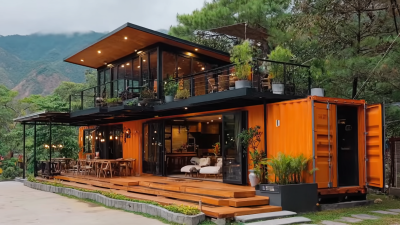
Building a 20-foot flat pack container house is actually a pretty clever solution for today’s housing needs. I mean, as industry expert Dr. Michael Green from Green Design Solutions puts it, “Efficiency is really the name of the game when it comes to building container homes.” His points remind us just how important it is to make the most of every inch of space while still keeping things cozy.
Designing a flat pack container house isn’t just about slapping some panels together — it takes some serious planning. You’ve gotta pick the right materials that can stand the test of time and come up with layouts that don’t waste space. Not all designs are created equal, though; some might overlook key features that make the place livable. So, it’s really a balancing act between style and function.
And let’s not forget, there are some hurdles, especially when it comes to sourcing good, reliable supplies. Not every container you find is in perfect shape—some might have dents or rust. That’s why giving each container a good inspection before you start building is super important. Tackling these issues early on can save you a lot of headaches down the line. In the end, putting together a 20FT flat pack container house can be a pretty rewarding project — almost like a reflective journey toward more sustainable, modern living.
Flat pack container houses are revolutionizing modern living. They offer a flexible, cost-effective solution for housing. Understanding this concept is crucial for efficient building. These homes come in ready-to-assemble parts. This allows for quick setups with minimal labor. They can be easily customized to fit different needs.
When planning your flat pack house, consider space. Measure your site carefully. Think about the layout of each room. Each decision impacts functionality. You want to maximize every square foot. Keep storage in mind. Knowing how you will use the space helps in design.
Tips: Choose quality materials for durability. They can save you trouble later. Local regulations might affect your build, so research them. Be ready for unexpected issues. Not every part will fit perfectly. Embrace the process as a learning opportunity. It's about creativity and adaptation.
When building a 20FT flat pack container house, choosing the right container is vital. Not all containers are equal. Look for containers that are wind and water-resistant. Ensure they have no rust or significant damage. This will save you headaches later.
**Tips:** Inspect every corner. Look for leaks or cracks. Damage can lead to costly repairs.
Consider the container's insulation. It impacts your living comfort. Good insulation helps maintain temperature control. Use materials that are durable but also eco-friendly. This choice can reduce your carbon footprint.
**Tips:** Check insulation ratings. Aim for energy efficiency. Low-rated materials can make life uncomfortable.
Also, think about the layout. A well-thought-out design maximizes space. Consider how natural light enters. Window placement can enhance your living experience. Be creative with your design, yet practical. It’s a balance worth achieving.
**Tips:** Sketch your layout before finalizing. Adjust as needed to optimize flow and utility.
Building a flat pack container house is an exciting project. However, you need the right tools and materials for efficient construction. Start by gathering basic tools. A drill, screwdriver, and level are essential. Don't forget a tape measure and a saw. These tools help ensure precise cuts and secure connections.
Materials are equally important. Quality plywood and insulation will make your house comfortable. Ensure you have sturdy screws, bolts, and brackets to secure the structure. Having extra screws is wise. You may misplace some during construction.
Reflect on your workspace as well. A cluttered area can slow down progress. Organizing tools and materials makes for a smoother workflow. Remember, construction can be messy. Be prepared for unexpected challenges. It’s a process of trial and error, and that’s okay. Embrace the imperfections as part of the journey.
Building a 20FT flat pack container house can be straightforward if you follow a systematic approach. Start by laying out all materials in a spacious area. A report from the Container Housing Association states that up to 85% of container homes can be assembled within a week with the right tools.
Begin with the base structure. Ensure the floor is level and strong. Use spacers to maintain an even distance from any ground moisture. It's also crucial to check for structural integrity during the assembly. Improper alignment can lead to significant issues later, causing potential delays.
**Tip:** Regularly measure your angles and alignments. Even small errors can compound quickly.
The next step is to install the walls. Pay attention to joints and ensure they are watertight. This is a common point of failure. Many builders overlook this detail, leading to costly repairs. Use quality sealants.
**Tip:** Invest time in researching sealing techniques. Your materials should withstand harsh weather conditions.
After the walls, the roof installation follows. Double-check all connections. Wind can exert significant force on the roof. A study indicates that approximately 60% of container homes face wind damage due to poor installation. Always prioritize safety and stability during this phase.
| Step | Description | Time Required | Tools Needed | Est. Cost ($) |
|---|---|---|---|---|
| 1 | Planning & Design | 1 Day | Notebook, Software | 500 |
| 2 | Site Preparation | 2 Days | Excavator, Shovel | 800 |
| 3 | Foundation Laying | 2 Days | Concrete Mixer, Trowel | 1200 |
| 4 | Container Positioning | 1 Day | Crane | 500 |
| 5 | Insulation Installation | 2 Days | Insulation Materials, Utility Knife | 600 |
| 6 | Interior Finishing | 3 Days | Paint, Drywall, Tools | 1500 |
| 7 | Utility Connections | 2 Days | Electric Tools, Plumbing Supplies | 1000 |
| 8 | Final Inspection | 1 Day | Checklist, Pen | 200 |
Insulating your flat pack container house is crucial for comfort and energy efficiency. Start with the walls. Use foam board or spray foam insulation. These materials are lightweight and effective. You want to be mindful of the temperature control. It can get hot in summer and cold in winter. Pay attention to how insulation impacts space.
Cover the floors with materials that retain warmth. Consider cork or engineered wood. They add an aesthetic appeal while helping with insulation. Don’t forget the windows. Double-glazing can significantly reduce heat loss. Proper sealing around them is important too. Drafts can ruin your efforts.
Finishing touches are equally significant. Paint the walls with colors that reflect light. This can create an illusion of more space. Adding rugs can enhance comfort. Decorative elements should not overcrowd the area. Balance is key. Sometimes, less is more. Reflect on your choices and how they create an inviting environment. Make sure every detail aligns with your vision for the space.
Building a 20FT flat pack container house can be efficient and eco-friendly. Emphasizing sustainable practices is essential. Start by selecting recycled materials. Use insulation made from natural fibers, such as straw or wool. These options reduce energy costs and environmental impact.
Tips for sustainable construction: Consider solar panels. They harness clean energy. Rainwater harvesting systems are also vital. Collecting rain can help with water supply throughout the year. These methods enhance sustainability.
Remember, not every phase will go smoothly. Issues may arise, like sourcing eco-friendly supplies. Planning can sometimes fall short. Always reevaluate your choices. Aim for flexibility and adaptability. Small modifications can lead to significant improvements. Focus on creating a healthier living space. Sustainable practices benefit both residents and the planet.
Building a 20FT flat pack container house requires careful navigation of building codes and regulations. Many regions impose strict rules on the construction of container homes. For instance, according to a report from the Container Housing Association, over 60% of container homes face initial delays due to regulatory hurdles. These issues can arise from zoning laws and safety standards.
It's crucial to research local building codes. Each area may have specific requirements regarding insulation, ventilation, and load-bearing structures. In some cities, container homes must meet traditional residential building standards. Ignoring these regulations can lead to fines or the need for costly modifications. Surprisingly, about 30% of builders reported that they were unaware of these regulations before starting their projects.
Designing a container house also brings its own challenges. Factors like the climate and location affect how the house must be constructed. Mold and insulation issues often arise if proper materials are not used. Installing windows and doors can require additional permits, complicating an otherwise straightforward process. Many builders admit to underestimating the complexity involved. For anyone considering this route, learning from previous mistakes is key.
: It enhances daily productivity and helps users stay organized effectively.
Keep it in a cool, dry place. Avoid exposure to moisture and extreme temperatures.
Generally, yes. However, younger users may require supervision during use.
Check the manual for troubleshooting tips. Patience is key in resolving issues.
Lifespan varies based on usage. Regular maintenance can extend its durability.
Yes, it offers versatility. However, using it outside recommended tasks can lead to issues.
Returns are allowed within a specific period. Ensure the item is undamaged for a successful return.
Yes, but some stains may require extra effort. Regular cleaning keeps it in good condition.
Always follow usage guidelines. Some precautions may be easy to overlook.
Review usage instructions carefully. Reflecting on your approach can reveal mistakes.
Building a 20FT Flat Pack Container House efficiently involves several crucial steps that ensure a successful outcome. First, it’s important to understand the concept of flat pack container houses and choose the right container that meets your needs. Essential tools and materials play a critical role in streamlining the construction process. Following a step-by-step assembly guide can help you effectively put together your container house, while proper insulation and finishing touches enhance comfort and aesthetics.
Additionally, incorporating sustainable practices during construction not only benefits the environment but also promotes energy efficiency. Finally, navigating local building codes and regulations is vital to ensure compliance and secure necessary permits. By following these guidelines, you can create a stylish and functional 20FT Flat Pack Container House that meets your lifestyle needs.