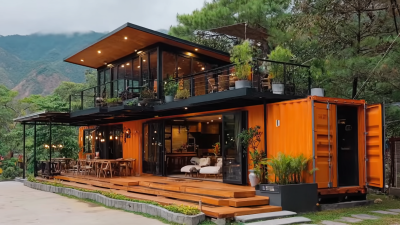
Lately, more folks have been getting interested in living in China Container Houses — and honestly, it’s no wonder. These homes, built from recycled shipping containers, are pretty cool as a low-cost, eco-friendly alternative to traditional houses. They’re especially appealing if you’re into sustainable living or just want to save some cash on your home. Plus, the fact that containers are durable and versatile means you can really get creative with the design, making them perfect for anyone looking to cut down on construction costs while still having a stylish, customizable space.
One of the best parts? Designing your own China Container House is a chance to play around with different architectural styles and personalize it however you like. Whether you’re into sleek modern vibes or something cozier and homier, the options are endless. This guide’s here to give you the essential tips and practical steps to help you buy and create your own container home. It’ll walk you through the benefits of this alternative living style and make sure it’s tailored to fit your needs and tastes. Whether you’re thinking about it as your main home, a weekend getaway, or even a unique rental property, understanding the ins and outs of buying and designing a China Container House can really set you up for success on your journey to affordable living.
So, if you’re curious about getting into this whole container house thing, don’t sweat it — it’s more doable than you might think, and super exciting to explore!

Understanding Container Houses: Benefits and Features
Container houses are gaining popularity as a
sustainable and affordable alternative to traditional homes.
One of the key benefits of container houses is their cost-effectiveness.
By repurposing shipping containers, homeowners can reduce construction costs significantly compared to conventional building methods.
Furthermore, these structures are often quicker to assemble, allowing for a faster move-in time.
The modular design also enables flexibility in layout and the option to expand or modify the home as required.
Another notable feature of container houses is their environmental impact.
Utilizing recycled materials helps decrease the demand for new resources and minimizes waste. Additionally, many designs incorporate energy-efficient elements,
such as solar panels and proper insulation, which contribute to lower utility bills and a reduced carbon footprint.
Container homes can also withstand extreme weather conditions, making them a durable choice for various climates.
With creativity in design, these houses can be aesthetically pleasing and reflect personal style while delivering practicality and sustainability.
Choosing the Right Type of Shipping Container for Your Needs
When selecting the right type of shipping container for your affordable living project, several factors come into play. The market for container homes is expanding rapidly, with a projected annual growth rate of 4.5% from 2021 to 2028, according to a report by Grand View Research. This upward trend highlights the increasing acceptance of shipping containers as viable homes, often due to their affordability and sustainability. However, understanding the different types of containers—such as standard, high cube, and refrigerated—will help tailor your choice to specific living needs and climate conditions.
Standard shipping containers, typically measuring 20 or 40 feet in length, are often the go-to choice for most container homes. For those requiring additional height for vertical space or lofts, high cube containers offer an extra foot of headroom. Moreover, if you're planning to construct a home in a region with extreme weather, insulated or refrigerated containers may be worth considering due to their enhanced durability and climate control capabilities. Industry experts recommend evaluating your local climate, zoning regulations, and the intended purpose of your container house to make an informed decision that ensures both functionality and comfort.
Planning Your Container House Design: Key Considerations
When planning the design of your China container house, there are several key considerations to ensure both functionality and comfort. Start by assessing the location where you intend to place your container house. Analyze factors such as local climate, soil conditions, and available amenities. These aspects will influence your choice of container, insulation needs, and layout design. A well-thought-out site plan can also enhance your home’s energy efficiency and overall livability.
Tips: Consider using multiple containers to create a more spacious layout. This can help you achieve open-concept living areas, maximizing natural light and air circulation. Additionally, think about the orientation of your containers. Positioning them to capture natural sunlight during the day can reduce energy costs and improve the overall atmosphere within your home.
Another crucial consideration is the interior design and space optimization of your container house. Since space is often limited, make the most of vertical storage solutions and multifunctional furniture. Incorporating built-in shelves and foldable tables can help you maintain a clutter-free environment. Pay attention to the finishes you choose; opting for lighter colors and reflective materials can create an illusion of more space, making your living area feel larger and more inviting.
Budgeting for Your Container Home: Costs and Financing Options
When budgeting for a China container home, understanding the costs involved is crucial for making informed financial decisions. The initial expenses include purchasing the container itself, which varies in price based on size and condition. Typically, used containers provide a more budget-friendly option, yet costs can accumulate depending on the modifications required to make the space livable. Essential modifications often involve insulation, plumbing, and electrical work, which should be factored into the overall budget.
It’s advisable to obtain quotes from multiple contractors to ensure competitive pricing on these renovations.
In addition to the upfront costs, potential homeowners should consider financing options available for container homes. Traditional mortgages may not apply, so exploring alternative financing methods, such as personal loans or specialized construction loans, can be beneficial. Some individuals also choose to finance their container home through a combination of savings and loans, ensuring they maintain financial flexibility.
Lastly, researching local grants or incentives for sustainable housing can provide additional financial support, enabling future homeowners to achieve their dream of affordable living in a container home.
Legal Requirements and Permits for Container Houses
When considering the construction of a
container house in China, it's crucial to understand the
legal requirements and permits involved.
First, potential builders should check local zoning laws to ensure that container houses are permitted in their desired location.
These regulations can vary widely between urban and rural areas, and compliance with environmental impact assessments may also be necessary.
 Engaging with local authorities early in the planning phase can help clarify what specific permits are required for the project.
In addition to zoning considerations, builders need to secure
building permits that certify the safety and structural integrity of the
container home. This often involves submitting detailed architectural drawings and engineering plans to the relevant municipal offices.
Moreover, depending on the region, inspections during various stages of construction might be mandated to adhere to safety codes.
It is advisable to collaborate with professionals who are familiar with the local regulations to navigate the permitting process efficiently,
enabling a smoother transition from concept to completion.
Interior Design Ideas for Maximizing Space and Comfort
When it comes to designing a China container house, maximizing space and comfort is crucial, especially for affordable living. Interior design plays a significant role in creating a functional yet cozy atmosphere. Utilizing multi-functional furniture can greatly enhance the livability of a container home. For instance, consider using a foldable dining table that can double as a workspace, allowing for flexibility in small areas.
Tips: Use vertical space to your advantage. Shelving units that climb up the walls not only provide storage but also draw the eye upward, creating the illusion of a larger space. Incorporating mirrors can also help brighten the area and make it feel more expansive.
Lighting is another vital aspect of design in container homes. Natural light can make a small space feel open and inviting. Opt for large windows or skylights whenever possible. Additionally, layering different types of lighting, such as task, ambient, and accent lighting, can create a warm and welcoming environment while serving various functional needs within the space.
Tips: Choose light color palettes for walls and furnishings to reflect light, making even the smallest rooms feel airy. Adding plants can bring life to your container home and promote a sense of comfort and tranquility.
Sustainability and Energy Efficiency in Container Living
Container homes have gained popularity as a sustainable and energy-efficient option for affordable living. By repurposing shipping containers, homeowners can create versatile living spaces that minimize waste and resource consumption. According to a recent report by the Global Institute for Sustainable Housing, using recycled materials like shipping containers can reduce construction waste by over 50%, contributing to a more environmentally friendly approach to building.
One of the key advantages of container living is its inherent energy efficiency. Since containers are designed to endure harsh weather conditions, they provide excellent insulation properties. Homeowners can further enhance energy efficiency by incorporating features such as solar panels and energy-efficient windows. Studies from the Energy Efficiency Council indicate that proper insulation paired with renewable energy solutions can lead to a reduction in energy consumption of up to 70%, significantly lowering utility bills.
Tips: When designing a container home, consider the orientation to maximize natural light and airflow, which can decrease reliance on artificial lighting and air conditioning. Additionally, integrating green roofs or walls not only boosts insulation but also contributes to biodiversity, offering natural aesthetic benefits. Lastly, ensure that your design complies with local regulations regarding building structures made from containers to avoid future complications.
FAQS
: Container houses are cost-effective, quicker to assemble, and environmentally friendly. They allow homeowners to significantly reduce construction costs, facilitate faster move-in times, and utilize recycled materials to minimize waste.
By using repurposed shipping containers, container houses help decrease the demand for new resources. Many also feature energy-efficient elements like solar panels and insulation, which contribute to lower utility bills and a reduced carbon footprint.
Key considerations include the location's climate, soil conditions, and available amenities. These factors will influence container choice, insulation needs, and layout design, impacting energy efficiency and livability.
Yes, the modular design of container houses allows for flexibility in layout, enabling homeowners to expand or modify their homes as required.
Utilize vertical storage solutions and multifunctional furniture, such as built-in shelves and foldable tables, to maintain a clutter-free environment. Lighter colors and reflective materials can also create an illusion of more space.
Yes, container houses are designed to withstand extreme weather conditions, making them a durable choice for various climates.
Consider the orientation of your containers to maximize natural sunlight and incorporate insulation and energy-efficient features like solar panels. A well-thought-out site plan can also enhance energy efficiency.
Container houses can be creatively designed to be aesthetically pleasing while reflecting personal style. Multiple containers can be combined to create spacious layouts and open-concept living areas.
Optimize your design by maximizing natural light through strategic positioning and using lighter colors and reflective materials to create a more inviting and spacious environment.
Conclusion
The article "How to Buy and Design a China Container House for Affordable Living" provides a comprehensive guide for those interested in the innovative approach of using shipping containers as affordable housing. It begins by exploring the numerous benefits and features of container houses, such as their cost-effectiveness, durability, and modular flexibility. Readers will learn how to choose the right type of shipping container suited to their specific needs and preferences.
Key considerations for planning the design of a China Container House are outlined, emphasizing the importance of spatial efficiency and aesthetic appeal. Budgeting and financing options are discussed to help potential homeowners manage costs effectively. Additionally, the article addresses the legal requirements and permits necessary for establishing a container home. Finally, it offers interior design ideas to enhance comfort and maximize space, while highlighting sustainability and energy efficiency as essential aspects of container living.