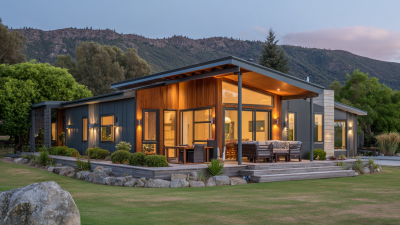
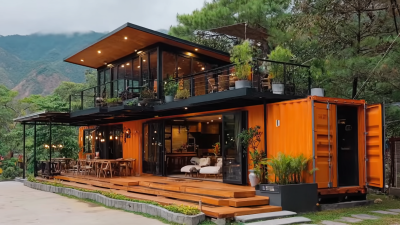
Lately, it feels like container homes are everywhere, right? That whole trend is really pushing us to think outside the box when it comes to finding new ways to live. But, honestly, choosing the right container home solution can be kind of overwhelming with so many options out there—some might work perfectly, while others just don't fit your needs.
When you're looking into a container home, don’t just focus on how it looks. It’s super important to consider the practicality—how durable it is, how well it functions, and whether it fits your budget. Think about how much space you need, what design catches your eye, and don’t forget about energy efficiency—it’s a huge plus when it comes to saving money in the long run.
Also, keep in mind that there might be some hurdles along the way. Rules and regulations can vary a lot depending on your location, and sometimes what seems like a great deal might hide extra costs. Do your homework and do it thoroughly—better to be prepared than sorry! In the end, making an informed choice will really make your experience with container living much smoother and more enjoyable.
Container houses have gained popularity for their unique design and practicality. They offer numerous benefits that make them an appealing choice for various living situations. One significant advantage is their affordability. Compared to traditional homes, container houses typically require a lower initial investment. This feature is attractive for many, especially first-time homeowners.
Another benefit is the speed of construction. Container homes can be assembled quickly, often in a matter of weeks. This efficiency means less time waiting and more time enjoying your new space. However, this rapid process may sacrifice some customization options, which could be a drawback for those with specific design visions.
Tips: Consider local climate. Insulation is crucial for comfort. Research zoning laws before purchasing. Some areas have strict regulations on container homes. Be prepared for potential challenges.
Container houses also promote sustainability. Using recycled materials helps reduce waste. They are often designed with energy-efficient systems, which lowers utility costs. However, creating an eco-friendly container house might require a bit more planning and investment upfront. Thus, careful thought and research are essential to find the best solutions for your needs.
Choosing the right container house solution involves various factors. First, think about the location. Is the ground level or sloped? A flat surface makes construction easier and more stable. Climate is crucial too. In colder regions, insulation becomes essential. In warmer areas, ventilation is key. A well-placed window can enhance airflow and natural light.
Next, consider the layout. Container houses can be spacious or compact. If you're starting with limited space, an open-plan design may work best. Think about your furniture needs. Will a large sofa fit comfortably? Reflect on your lifestyle. Do you need a home office? Multiple rooms can also offer flexibility.
Finally, budget plays a significant role. Can you afford high-quality materials? Some might prioritize aesthetics over durability, which can lead to regrets later. Embrace the imperfections of container living. The unique character of each container adds charm but may require more maintenance. It's vital to reflect on your priorities to find the best fit for your container house journey.
When exploring container house designs, it's essential to understand the variety available. Each design has unique features that appeal to different needs. For instance, a single-container home offers simplicity and budget-friendliness. However, it may lack space for larger families. Multi-unit designs create expansive living areas but can be more costly and complex to set up. It can be challenging to choose the right balance between functionality and cost.
Now, consider the interior layout. Open-plan spaces create a sense of airiness, but they may not suit everyone. Some prefer defined zones for privacy. Furthermore, outdoor integration can transform a container house. Balconies and terraces create a seamless flow but require careful planning to avoid structural issues. These design choices often raise questions about practicality versus aesthetics.
Landscaping is another factor to ponder. A beautiful exterior can enhance a container's appeal. Yet, maintaining outdoor spaces can be taxing. Not all designs allow for optimal gardening options. Reflecting on these elements reveals that perfection is subjective. Each container house solution has its merits and flaws. Balancing personal preferences with practical needs is a journey that requires thought and reflection.
When planning for a container house, budgeting is critical. Reports indicate that average costs can range from $10,000 to $50,000, depending on size and design. A basic 20-foot container may cost around $2,000 to $3,000. Customization and insulation can add thousands more. Unexpected expenses can arise, so it's wise to prepare a buffer in your budget.
Site preparation is another major factor. Land clearing, foundation work, and utility installations involve additional costs that can be overlooked. Industry analysis shows that site work can consume 15% to 20% of your total budget. Ensure to consider these hidden costs early in your planning phase to avoid surprises later.
DIY options may save labor costs but can lead to mistakes. Underestimating time and skill required can lead to frustration. Good planning often makes a difference. It's easy to get excited about the aesthetic aspects but discussing finances upfront is essential. Spending wisely on materials and labor is crucial for a successful container house project.
When considering container housing, regulatory and zoning issues can't be overlooked. In many areas, local laws dictate how homes are built. These regulations often aim to ensure safety and aesthetic cohesion. Some municipalities may have strict guidelines on the appearance and materials used. It's crucial to check these laws early in the process.
Many people assume container homes are a simple, cost-effective solution. However, zoning restrictions can complicate this. Certain zones may prohibit unconventional building types. You may need special permits or variances, which can be time-consuming. There are also limitations on land use. Residential areas may have specific codes that container houses must adhere to.
Engaging with local planning departments can clarify these concerns. Researching community standards can prevent future headaches. Sometimes, individuals find that their designs need revisions. This realization can be frustrating, but it's essential for compliance. Ignoring these factors can lead to legal troubles and delays. Proper attention to regulations promotes a smoother building journey.
When considering container houses, sustainability is key. These structures often utilize recycled materials. This reduces waste and the carbon footprint. Moreover, they can be designed for energy efficiency. For example, solar panels can be integrated into the design. This makes them more self-sufficient. Effective insulation also plays a role. It helps maintain comfortable temperatures year-round.
Water conservation is another vital aspect. Systems can be implemented to collect rainwater. This resource can be used for non-potable needs. Additionally, natural ventilation can be incorporated. It decreases reliance on HVAC systems. However, it’s crucial to balance design with the local climate. Not every method works everywhere.
Despite the advantages, challenges exist. Sourcing quality materials can be difficult. Some components may fall short of sustainability claims. Potential buyers should research thoroughly. It’s essential to ensure the chosen solution aligns with eco-friendly values. Being diligent will support the larger goal of a greener future.
Choosing the right location for your container home setup is crucial. The setting can affect comfort, accessibility, and even the overall enjoyment of your space. Consider factors like sunlight, wind direction, and proximity to amenities. Ideally, you want a location that offers natural light but also protection from harsh weather.
Tips: Look for spots with good drainage. You don’t want water pooling around your container. Also, think about access to utilities. Being near power and water lines can save you time and money.
Think about the landscape too. A picturesque view can enhance your living experience. But does that come at the cost of privacy? Consider if you’ll feel exposed. Sometimes the perfect view is too open.
Tips: Research local zoning laws before making a final decision. Some areas have restrictions on container homes. Understanding these can save you headaches later.
Connecting to nature can bring joy. But how far away are you from basic services? If you're secluded, accessing groceries and medical care can be tough. Balance your desires with practical needs for a fulfilling container home life.
: It focuses on providing users with relevant information. Users can gain insights easily.
Anyone seeking information or assistance can benefit. It caters to various needs and inquiries.
It employs multiple sources and cross-verifies facts. However, not all data can guarantee correctness.
The service may be free for general inquiries. Some advanced features could require payment.
Users can submit questions online. It’s a convenient way to communicate and get answers.
Users can seek clarifications. Sometimes, responses might miss the mark or lack detail.
Updates are made regularly, but some may lag behind. Timeliness can be an issue in fast-moving fields.
Yes, questions must comply with guidelines. Sensitive topics are often excluded from answers.
Yes, it is mobile-friendly. Users can access it anytime, but app performance may vary.
Container House Solutions offer a versatile and sustainable option for modern housing needs. This article discusses the fundamental benefits of container houses, including affordability, durability, and environmental considerations. Key factors to consider when selecting a container house include design preferences, budget constraints, and regulatory requirements. A comparative analysis of different container house designs helps prospective buyers understand which options align with their lifestyle and needs.
Additionally, the article delves into cost evaluation, helping future homeowners budget effectively for their projects. It also emphasizes the importance of understanding zoning regulations and incorporating sustainability features to minimize environmental impact. Ultimately, choosing the right location is crucial for maximizing the benefits of a container home setup, ensuring a harmonious blend of functionality and aesthetics in this innovative housing solution.