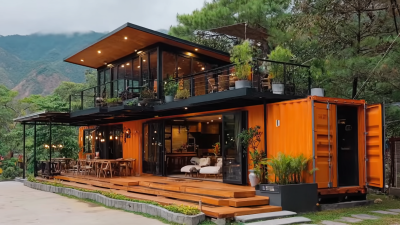
These days, everyone’s talking about the boom in
innovative and eco-friendly housing options, and it looks like the
market for customized container prefab homes is about to skyrocket.
I read that, according to a recent report from
Markets and Markets, this prefab housing scene is projected to hit around
USD 114.4 billion by 2027, with a pretty steady growth rate of about
7.6% annually.

One company that’s making waves in this space is
China Construction Integrated Building Co., Ltd., which was started back in 2009
with a hefty 300 million yuan in registered capital and now has eight production bases going strong.
They really cover all bases—from
R&D and design to manufacturing, construction, logistics, and services—which puts them in a great spot to take
advantage of big events like the upcoming
138th China Import and Export Fair in 2025.
It’s a prime opportunity for them to showcase their customized container prefab homes, boost brand recognition, and connect with folks who are looking for flexible,
green housing options these days.
Market Overview of Customized Container Prefab Houses in 2025
So, looking ahead to 2025, the market for custom container prefab homes is really set to grow. People are increasingly looking for sustainable and flexible housing options — especially with urban areas expanding so quickly. These modular container homes? They’re pretty awesome because they can be easily moved or expanded, making them a hit not just for folks wanting a cozy place to live but also for businesses. Plus, there’s a strong push towards eco-friendly building practices, which is a big part of why this market is buzzing. These houses often use recycled materials, and since they’re built off-site, it means less waste and a smaller carbon footprint overall.
By the way, at the upcoming 138th China Import and Export Fair, industry leaders and creative minds will come together to check out the latest innovations and market trends in this space. You’ll see some really cool designs, tech integrations, and smart home features that make these container houses even more attractive. It’s also a great chance to network and form partnerships that could help solve some of the world’s housing challenges.
Bottom line: as the market keeps evolving, everyone involved is in a good spot to take advantage of the exciting growth coming up.
Innovative Features Driving the Growth of Container Housing Solutions
Lately, there's been a real surge in demand for custom container prefab houses, and honestly, it’s not hard to see why. These days, they come packed with cool features that really suit a wide range of people’s needs. According to a recent report from MarketsandMarkets, the global market for modular construction is expected to hit around $157 billion by 2025, growing at a compound annual rate of about 6.1%. What's driving this boom? Mainly, the awesome advancements in engineering and tech — stuff that makes these homes more flexible in design and better for the environment. Features like energy-efficient insulation, smart home tech, and quick setup times are a big hit, especially with folks who care about sustainability and want adaptable living spaces.
And if you’re thinking about the industry’s latest trends, keep an eye out at the 138th China Import and Export Fair 2025. Industry leaders are set to reveal some pretty exciting innovations in container housing, including more use of eco-friendly materials and renewable energy setups. A study in the Journal of Green Building even mentions that these modular homes can cut energy bills by as much as 25%, compared to traditional methods. With cities around the world growing faster than ever, being able to quickly put up personalized, efficient housing is making container homes super attractive — not just for developers but for everyday folks too.
Target Audience and Consumer Trends at the 138th China Import and Export Fair
At the 138th China Import and Export Fair in 2025, you'll find that the audience for customized container prefab homes is pretty diverse. It’s not just local buyers anymore—there’ll be international folks, too. You’ll probably see real estate developers, eco-conscious consumers, and businesses on the lookout for innovative, sustainable building ideas. These days, with everyone into minimalism and city living, modular and prefab housing are really gaining popularity. That’s why this fair is such a great chance to showcase just how versatile and practical container homes can be.
And if you look at current trends, it’s clear that more people are into sustainable living and eco-friendly products. Folks are smarter about their choices and actively want options that help lower their carbon footprint. Customized container prefab houses tick all those boxes—they look modern, are functional, and eco-friendly all at once. As customization becomes a big deal in what buyers want, showing off different design options and how adaptable these homes can be will definitely get attendees interested. It’s an exciting time for innovative housing solutions, and events like this are perfect for spreading the word.”

Strategic Partnerships and Collaborations for Market Expansion
So, at the 138th China Import and Export Fair in 2025, it's pretty clear that forming solid partnerships and collaborations is gonna be the key to really expanding the market for these custom container prefab homes. As more folks get interested in sustainable and efficient housing options, working closely with industry players like construction companies, real estate developers, and local government folks is a smart move—it’ll help these innovative solutions get more visibility and reach more people. Teaming up with others allows companies to pool resources, tap into bigger networks, and share expertise, making it easier to break into new markets and grow faster.
Plus, teaming up with different partners sparks fresh ideas in design and functionality, which means they can better meet the unique needs of different regions and cultures. Like, working together with local architects and designers can lead to solutions that really speak to the community, making them feel more connected to the projects. Plus, collaborations focused on sustainability don’t just boost a company’s reputation—they also attract eco-minded consumers who care about green living. It’s about building a community that’s all in on eco-friendly building practices. Focusing on strategic partnerships at the fair can really help create a supportive ecosystem—setting up the long-term success of these prefab container homes on a global scale.
Sustainability and Environmental Impact of Container Prefab Housing
You know, the buzz around container prefab houses is really growing, and honestly, it’s not hard to see why. They’re super appealing because they’re more eco-friendly and have less impact on the planet. I read somewhere—actually, a report from the International Institute for Environment and Development—that these homes can cut down on construction waste by up to 90% compared to traditional building methods. Pretty impressive, right? Plus, most of these container homes are made from recycled shipping containers, which is a smart way to reuse resources and support that whole circular economy idea. And in today’s world, where everyone’s so aware of their carbon footprint, choosing a container prefab can even help you save around 40-50% on greenhouse gases over the entire lifecycle of the house, compared to typical houses.

If you’re thinking about going this route, a good tip is to pay attention to your location and what kind of amenities you add—things like solar panels or rainwater harvesting systems can really boost energy efficiency and reduce your environmental impact even more.
And here’s something cool—these container homes can be designed to be super energy-efficient. With the right insulation and good planning, they minimize heat loss and help you cut down on utility bills. For example, the U.S. Department of Energy mentioned that well-designed energy-efficient homes—container or not—could slash utility costs by up to 30%. That’s a sweet deal, especially when you consider the sustainable materials used!
My advice? Talk to local suppliers about sustainable materials and tech options that can give your container home those extra eco-friendly points. Regular upkeep is also key—keeping your home in good shape means it’ll last longer and stay green, saving you money and worry down the line.
Opportunities for International Trade and Export of Container Housing Solutions
Hey, have you heard about the upcoming 138th China Import and Export Fair happening in 2025? It’s shaping up to be a pretty exciting platform for showcasing international trade in customized container housing solutions. You know, the demand for prefab houses is really picking up worldwide — partly because of how cities are expanding and folks are on the lookout for affordable homes. I was reading a recent market report, and it says the global modular construction market might hit around USD 157 billion by 2027. That’s a pretty solid growth, roughly over 6% annually since 2020. A big part of that growth comes from how flexible, quick, and cost-effective container homes are, which makes them super appealing, especially in markets that are still underserved.
With trade policies becoming more open and liberalized, the chances for exporting these kinds of homes are only going to get better. Countries are jumping on the bandwagon, really focusing on sustainable housing options, and container homes fit right into that picture because they’re eco-friendly and can be set up pretty fast in all kinds of locations. The fair isn’t just gonna be about showing off cool new designs — it’s a great chance for manufacturers and buyers from all over the world to connect and chat, opening up more opportunities for cross-border trade of sustainable living options. It’s definitely an event to watch if you’re into innovative housing ideas!
FAQS
: Container prefab houses are structures made from recycled shipping containers, designed for cost-effectiveness, sustainability, and efficiency in both construction and energy use.
They generate up to 90% less construction waste compared to traditional building methods and significantly reduce greenhouse gas emissions over their lifecycle by an estimated 40-50%.
Incorporating insulation systems, using solar panels, and implementing rainwater harvesting systems can maximize energy efficiency and further lessen environmental impacts.
Energy-efficient container homes can lower utility costs by up to 30%, making them a financially attractive option for eco-conscious consumers.
The fair will promote international trade and showcase innovative designs, fostering collaborations between manufacturers and buyers, which can enhance the export potential of container housing.
Increasing urbanization, the need for affordable housing, and the flexibility and speed of construction associated with container homes have contributed to their rising popularity.
Enhanced policies and frameworks from trade liberalization are expected to bolster the export potential of container housing solutions, making them more accessible in various international markets.
Engaging with local suppliers for sustainable materials, conducting regular maintenance, and considering the home’s location and available amenities can enhance its sustainability and investment value.
Container homes align with the growing emphasis on sustainable housing solutions and can be deployed rapidly in various settings, making them suitable for underserved markets.
Conclusion
Hey there! So, the 138th China Import and Export Fair happening in 2025 really opens up some exciting opportunities for the growth of customized container prefab houses. These modular homes are gaining serious momentum lately, thanks to their innovative features and the focus on sustainability. As more folks start looking for eco-friendly and flexible housing options, these prefab solutions are catching the attention of a pretty wide audience. Plus, forming strong partnerships and collaborations is a big deal here — it helps manufacturers like China Construction Integrated Building Co., Ltd., who have solid capabilities in R&D, design, and logistics, to really tap into these growth possibilities.
What’s even more interesting is how awareness around the environmental impact of traditional building methods is making these container prefab houses even more appealing. They’re not just a hit with domestic buyers but also hold huge potential for international trade. If companies focus on export strategies, they can ride the wave of global interest in sustainable living, which would totally shake up the container housing scene for the better.