

You know, the Integrated Prefab House scene is really shaking things up in the construction world. I came across a report from Grand View Research that says the global market for prefab housing could hit around 200 billion dollars by 2027 — pretty wild, right? This whole shift kind of shows how people are really craving more sustainable and efficient places to live. Even big names like Richard Branson from Modular Living mention how these integrated prefab homes can speed up construction and cut down on waste, which sounds pretty promising.
What’s cool about these homes is that they’re not just budget-friendly, but also super flexible. You can totally customize them depending on what you need — whether it's a cozy single-family home or something more multi-unit. That said, not everyone’s sold on the idea — some folks say prefab houses can lack that special charm of traditional homes, and I get why. It’s definitely a point that a lot of potential buyers consider.
And of course, there’s the environmental angle. While it’s true that these prefab homes use less material overall, there’s still a fair bit of waste created during manufacturing, which raises some concerns. It’s kind of a tricky balance — doing things efficiently while also being mindful of the environment. Industry folks are still figuring out how to manage that tension, and it’s definitely an ongoing debate.

What is an Integrated Prefab House?
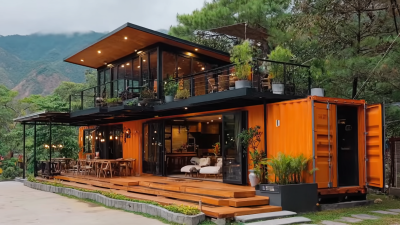
An integrated prefab house combines advanced design with efficient manufacturing. This approach aims to simplify building processes. In essence, it’s a structure created from pre-manufactured modules. These modules can be assembled on-site in just days. Their adaptability is a huge selling point. They cater to different lifestyles and environments.
The benefits are significant. According to a recent market report, the prefab housing industry is expected to grow by over 20% in the next five years. This growth reflects both demand and innovation. Prefab houses often utilize sustainable materials, reducing waste and energy consumption. It’s noted that they can be up to 30% more energy-efficient than traditional homes. However, these homes are not without challenges. Site preparation and assembly require skilled labor. Poor initial planning can lead to delays.
Moreover, while affordability is a significant benefit, hidden costs can arise. Buyers may face unexpected fees during the installation phase. Attention to detail is crucial in design to avoid structural mistakes. Customer satisfaction often hinges on these factors. The adaptability of integrated prefab houses remains a key advantage, but without careful planning, their potential may not be fully realized.


Innovative Solutions for Modern Retail: Exploring the Benefits of Custom Prefab Container Houses
In the era of modern retail, innovative solutions are essential to meet the evolving demands of consumers. Custom prefab container houses offer a unique approach to creating engaging retail environments. These structures, designed with versatility in mind, can adapt to various styles and configurations, making them ideal for commercial streets composed of small shops. By utilizing prefab technology, businesses can rapidly establish attractive storefronts that capture attention and facilitate seamless customer experiences.
One prominent example of this innovation is the recent showcase at the Shenzhen Biennale, which featured a commercial street comprised of five distinct styles of prefab container houses. Covering a construction area of 2000 square meters, this project was completed within a remarkable timeframe of just 10 days for the main construction and an additional 14 days for delivery. The structures boast a height of 3.5 meters per floor, providing ample space for diverse retail operations spread across four layers. This efficient use of space not only maximizes the available area but also fosters a dynamic shopping atmosphere where customers can explore a variety of businesses in one convenient location.
The prefab container houses represent a transformative approach to retail development, allowing entrepreneurs to quickly establish a presence in bustling commercial areas. This modular construction method not only enhances the aesthetic appeal of shopping districts but also supports sustainable practices by minimizing waste and optimizing resource use. As the retail landscape continues to evolve, embracing such innovative solutions will be key to staying competitive and meeting consumer needs.

FAQS
: Integrated prefab housing reduces waste by up to 25% compared to traditional methods. This is crucial for tackling global construction waste.
Prefab homes often feature better insulation and energy-efficient systems. They can save residents up to 30% on energy costs.
Yes, quality control can be inconsistent, and upfront costs may be higher for some buyers. It's a complex market.
They can reduce costs by up to 20% due to streamlined manufacturing and bulk material purchasing. This minimizes waste.
Prefab houses can cut labor time by 50%. This speed reduces overall construction costs and financing expenses significantly.
Absolutely! Homeowners can choose layouts and finishes, creating unique living spaces. However, too many options can cause decision fatigue.
Yes, while customization offers unique designs, it can significantly raise costs. Homeowners should plan carefully and keep budgets in mind.
Yes, they also offer quick assembly times, which can reduce financing expenses. Many advantages can outweigh initial concerns.
The market is growing, but ongoing improvements in production standards and cost management are essential for its success.
Balance between personalization and functionality is key. Careful planning will help achieve both a unique aesthetic and practical investment.
Conclusion
An Integrated Prefab House is a modern construction approach that utilizes prefabricated components to create efficient and versatile living spaces. Key components of these homes include modular units, energy-efficient systems, and smart technology integration. Compared to traditional construction methods, Integrated Prefab Houses offer numerous benefits, such as reduced building time, lower labor costs, and minimal waste production.
Additionally, they present significant environmental advantages, promoting sustainability through efficient resource use and reduced carbon footprints. The cost-effectiveness of integrated designs makes them appealing to a broad range of homeowners, while the customization options allow for personalized living spaces tailored to individual needs. Lastly, future trends in Integrated Prefab Housing Solutions suggest an increase in innovative designs and technology integration, further enhancing their appeal in the housing market.
Related Posts
-

How to Maximize Energy Efficiency in Your Conex House Design
-

Revolutionizing Living Spaces: The Ultimate Container House Solution for Modern Lifestyle
-

Exploring the Future of Sustainable Living: The Rise of Prefabricated Homes
-

10 Best Container House Solutions for Sustainable Living
-

Exploring the Rise of China Luxury Container Homes: A Sustainable Living Revolution
-
Ultimate Guide to Building Your Dream Container Van House in the Philippines
