0%

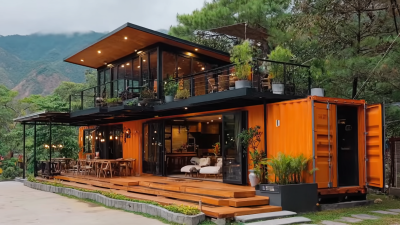
Building a container house in China? It's honestly a pretty clever way to make affordable living a reality. With the soaring prices of traditional homes, more people are starting to look into alternative options. I recently read that renowned architect Mr. Li Wei pointed out how container homes could really shake up urban spaces and offer sustainable living solutions. And honestly, this idea is gaining quite a bit of ground among city folks.

Container homes aren’t just eye-catching—they’re also practical. They’re made from recycled shipping containers, which helps cut down on waste. Of course, setting one up isn’t just a matter of stacking a few boxes; it takes some careful planning. Picking the right spot is super important—local zoning laws can be tricky. Not every city in China is on board with container homes, so working with local authorities can sometimes be a bit of a headache, but it’s a necessary step.

That said, despite these hurdles, the benefits are pretty clear. Container houses tend to be resilient against natural disasters, and they can be built pretty quickly and without breaking the bank. On the flip side, they might lack some of the comforts you’re used to, so a bit of creativity with interior design comes in handy. Actually, embracing a few imperfections can make these homes even more unique and charming. All in all, container houses in China are sort of a mixed bag—challenging, sure, but also a real opportunity for innovation and affordable living.

How to Build a Container House in China for Affordable Living?

Understanding the Container House Concept and Its Advantages

Container houses are gaining popularity in China for affordable living. These structures, made from shipping containers, offer a unique solution to housing issues. They are strong and durable. The adaptability of these houses is remarkable, allowing them to fit into various environments. You can design them according to your taste. Some people paint them brightly, while others prefer a minimalist approach.

One major advantage is cost-effectiveness. Building a container house often requires less money compared to traditional homes. However, it’s not without challenges. You may encounter zoning laws that complicate placement. Insulation is another concern. Some container houses can get too hot or cold without proper materials.

Space efficiency is another positive aspect. With clever designs, you can maximize living areas. Many use vertical storage solutions. But then, the limited square footage can be a downside. It requires thoughtful planning and creativity. A container house may not suit everyone’s lifestyle, but for many, it offers a viable path to affordable living.

Market Analysis: Costs of Building Container Homes in China

Building a container house in China can be an affordable option. Currently, the average cost for constructing a container home is around $1,000 to $2,500 per square meter. This price varies by region, materials, and design choices. For instance, urban areas like Beijing and Shanghai may have higher costs compared to rural regions.

Labor costs in China range from $15 to $30 per hour. Skilled workers often charge more. Plans for plumbing and electrical setups can further increase your budget. Many builders recommend budgeting an extra 20% for unexpected expenses, which is critical for managing financial risks.

Despite its affordability, building container homes isn't without challenges. Zoning laws and building codes can complicate the process. Some local governments are still adapting to this trend. Reflecting on these obstacles is essential. A well-researched plan can mitigate potential issues. It’s wise to consult local resources and experts before embarking on this journey.

Planning and Design Considerations for Container Houses

How to Build a Container House in China for Affordable Living?

When planning a container house in China, several design considerations arise. Start with location. Urban areas offer conveniences but often come with higher costs. Rural spaces may provide savings but lack infrastructure. Evaluate zoning regulations carefully. Each area has specific rules that may restrict your project.

Next, consider the layout. Container homes typically have limited space. Open floor plans maximize usability. Incorporate large windows for natural light and ventilation. This helps create a feeling of openness. However, too many windows can lead to privacy issues and energy inefficiency. Balancing aesthetics and practicality is essential.

Finally, think about insulation. Containers are metal and can become very hot or cold. Proper insulation can create a stable indoor climate. Though it requires an initial investment, it pays off with energy savings. Also, think about future expansions or modifications. Construction can be messy and disruptive. Plan for flexibility in your designs to adapt over time. This could save costs and frustration.

Essential Permits and Regulations for Container House Construction

Building a container house in China involves navigating various local regulations and permits. Each region has different building codes, which can complicate the process. For example, a report from the China National Urban Planning Institute highlights that approximately 40% of container house projects face delays due to regulatory issues.


Essential permits include land use permits and construction approvals. Most regions require an environmental impact assessment as well. Lack of these permits can lead to fines and project halts. Compliance with local fire safety codes is crucial as well. A survey by the Ministry of Housing noted that more than 30% of container houses lacked adequate fire safety measures.


Understanding these regulations is vital. Engaging with local authorities early can save time. However, despite these challenges, container houses offer a sustainable and affordable living option. Just remember, overcoming red tape can be frustrating, and flexibility will play a key role in your project's success.

Sourcing Materials and Container Units: Where to Buy in China

Sourcing materials for a container house in China can be a complex task. Finding reliable suppliers is key. A recent report indicates that the container construction market is growing at an annual rate of 20%. This reflects a shift towards more sustainable living solutions. Various regions in China have different access to materials. Coastal areas often have better logistics for shipping containers.

Start by looking at local markets. Many cities have dedicated industrial zones for construction materials. These areas often offer competitive prices. Building materials like insulation, windows, and plumbing supplies can be sourced directly. Engaging with local suppliers can reduce shipping costs. However, always verify the quality of materials. Not all suppliers maintain high standards.

Consider attending trade shows focused on construction. These events can provide valuable networking opportunities. You can meet representatives from different material suppliers. Samples and pricing information collected at these events can help fine-tune your budget. Keep an eye out for sustainability certifications, as they can indicate better quality. Missteps in sourcing can lead to delays or excess costs. Maintaining a flexible budget is crucial for adjustments along the way.

Insulation and Energy Efficiency Solutions for Container Homes

How to Build a Container House in China for Affordable Living?

Insulation is crucial for container houses. The metal used in containers can easily transfer heat. In summer, homes can become ovens. Good insulation helps regulate temperature. Consider using spray foam insulation. It expands and fills gaps well. However, there can be a challenge: finding the right thickness for your climate. Overdoing it might reduce interior space.

Energy efficiency is another key aspect. Solar panels are a great addition. They harness sunlight and lower electricity bills. You can also install energy-efficient windows. They keep in warmth during winter and cool air in summer. It's vital to choose the right type. Double-glazed windows can be beneficial, but they may require more careful installation.

Water and moisture management is often overlooked. Proper drainage systems can prevent rust. It’s essential to think about ventilation too. Stale air can lead to problems. Ventilation isn't just for comfort; it helps in energy efficiency. Proper airflow can reduce the need for heating and cooling. Each step needs careful planning. Neglecting these details can lead to higher costs down the line.

Case Studies: Successful Container House Projects in China

In recent years, container houses have gained popularity in China. One notable project is located in a bustling city. This setup used repurposed shipping containers for affordable housing. The design prioritized sustainability and efficiency. Layers of insulation were added to keep the homes comfortable year-round. However, the layout can feel cramped for some families.

Another example comes from a rural area. Here, a cluster of container homes promotes community living. Residents enjoy shared spaces like gardens and kitchens. This design fosters collaboration and neighborly relations. Still, not everyone is thrilled with container aesthetics. Some prefer traditional styles and find containers unattractive.

These projects demonstrate innovation in housing solutions. They address affordability and ecological sustainability. But the challenges of space and aesthetics cannot be overlooked. Reflection on both successes and shortcomings is vital for future developments. Embracing imperfection may lead to better designs ahead.

How to Build a Container House in China for Affordable Living? - Case Studies: Successful Container House Projects in China

Project Location Project Size (sqm) Number of Containers Construction Cost (CNY) Completion Year
Beijing 50 2 120,000 2021
Shanghai 75 3 180,000 2022
Guangzhou 40 2 90,000 2020
Shenzhen 60 3 150,000 2023

Innovative Living Solutions: The Versatility and Benefits of Folding Container Houses

Folding container houses are emerging as an innovative solution for versatile living spaces, significantly contributing to public infrastructure projects. A prominent example is the initiative taken in Hohhot, where 103 integrated public toilets were constructed as part of a larger effort to enhance the living environment and promote the “toilet revolution.” This initiative not only addresses basic sanitation needs but also demonstrates how folding container technology can efficiently meet public demands in urban planning.

The adaptability of folding container houses makes them suitable for various applications, including public facilities like toilets, which require quick deployment and cost-effectiveness. Their modular nature allows for easy transportation and installation, providing communities with essential services in a fraction of the time compared to traditional construction methods. By leveraging these innovative structures, cities can ensure that public health and sanitation standards are met while also improving overall aesthetic and functional aspects of urban spaces.

FAQS

: What are important initial considerations for planning a container house?

: Start with location. Urban areas offer convenience, while rural areas may provide cost savings. Evaluate zoning regulations carefully.

How should I design the layout of a container house?

Use open floor plans to maximize space. Incorporate large windows for light, but be cautious of privacy and energy use.

Why is insulation important in container houses?

Containers can become very hot or cold. Proper insulation provides a stable indoor climate and can save energy costs over time.

What should I consider for future modifications to a container house?

Plan for flexibility in designs. This helps adapt over time, saving costs and reducing frustration during changes.

Can container houses be suitable for families?

Yes, they can be family-friendly. However, some families may find the space cramped compared to traditional homes.

How do community-focused container housing projects work?

They promote shared spaces like gardens and kitchens, fostering collaboration among residents.

What are common concerns regarding container house aesthetics?

Some people prefer traditional styles and find container designs unattractive. Balancing innovation with aesthetics can be challenging.

Is it worth investing in insulation for container houses?

Yes, although it’s an initial investment, good insulation pays off with energy savings and comfort throughout the year.

What might be a drawback of container homes in urban areas?

They often come with higher costs and potential zoning restrictions, which could complicate projects.

Why is reflection on container house projects important?

Considering both successes and shortcomings helps improve future designs. Embracing imperfections can lead to better housing solutions.

Conclusion

Building a container house in China offers an innovative solution for affordable living, leveraging the advantages of modular design and sustainability. Understanding the container house concept involves recognizing its benefits, such as reduced construction costs and environmental impact. A market analysis reveals the varying costs associated with building these homes, while planning and design considerations focus on maximizing space and functionality.

Acquiring essential permits and adhering to regulations are crucial steps in the construction process. Additionally, sourcing materials and suitable container units in China can significantly influence the project's success. Energy efficiency solutions and proper insulation are key to ensuring comfort in container homes. Case studies of successful container house projects in China further illustrate the potential for this housing solution to meet modern living needs while promoting cost-effectiveness and environmental responsibility.

Liam

Liam

Liam is a seasoned marketing professional with a deep expertise in the prefabricated housing industry. Since the inception of our company in 2009, which boasts a registered capital of 300 million yuan and operates eight production bases, Liam has been instrumental in communicating the value of our......
Previous How to Choose the Perfect Prefabricated Home for Your Family's Needs