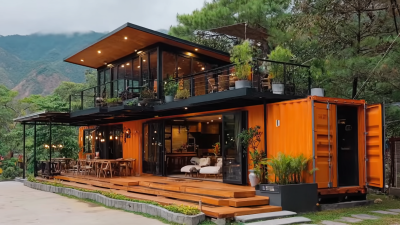
You know, the China 20/40FT Container House is really shaking up the whole idea of modular living. According to the latest Global Modular Construction Market Report, this market’s actually expected to grow at over 25% each year—pretty impressive, right? People are starting to notice container homes because they’re budget-friendly and eco-conscious. Plus, they offer a pretty innovative fix to the housing crunch, especially in busy city areas where space is tight.
What’s cool is how versatile these structures are. For instance, a standard 20FT container can be fully set up for living — think of a basic kitchen and bathroom. Then there’s the 40FT version, which gives you even more room—perfect if you’ve got a bigger family or want to use it as an office or studio space. Companies like China Container House really customize designs to fit different needs, so it’s not a one-size-fits-all kinda thing. But, of course, it’s not all smooth sailing. There are some hurdles like zoning rules and getting the public on board.
And, honestly, not every container is up to scratch. Some run into issues with insulation or may not be as sturdy as they should be. That can lead to wasted resources and disappointed folks who were expecting better quality. That’s why it’s super important for everyone involved to pay attention to these details if they want this industry to really grow. The China 20/40FT Container House definitely has potential, but it’s clear that continuous innovation and strict quality checks are needed to really make a splash.
A China 20/40FT container house is a sustainable building solution. These structures are made from repurposed shipping containers. They can be used for homes, offices, or even pop-up shops. Approximately 70% of these containers can be recycled into livable spaces, which appeals to eco-conscious consumers.
These containers often feature insulation and modern amenities. With a 20-foot container, you get about 160 square feet of space. A 40-foot container offers around 320 square feet. According to industry reports, the use of container houses can reduce construction time by up to 50%. However, the quality of insulation and ventilation is sometimes overlooked.
The cost-effectiveness of container houses is notable. Reports suggest that they can be built for as little as $10,000, making them an attractive option. However, challenges like local zoning laws or high land costs can complicate their implementation. The need for proper foundations is also essential, yet not often prioritized. These areas need reflection to truly maximize potential.
The 20/40FT container house is an innovative solution for modern living. These structures offer versatility and efficiency. Made from repurposed shipping containers, they are robust and weather-resistant. A typical 20FT container provides about 160 square feet of usable space. In contrast, a 40FT container can extend to roughly 320 square feet. This size variation allows for diverse applications, from homes to offices or even emergency shelters.
Key features include portability and sustainable design. These houses can be transported easily, making them ideal for various locations. According to a report by the International Organization for Migration, container homes can be set up in just a few days. This rapid deployment is crucial in disaster relief scenarios. Moreover, upcycling shipping containers reduces waste in landfills, promoting eco-friendliness. However, there are challenges. Proper insulation and ventilation are vital, as metal containers can become extremely hot or cold, depending on the climate.
Another aspect to consider is the cost. While often cheaper than traditional homes, expenses can quickly rise with customization. Research from the Container Housing Alliance indicates that pricing can vary dramatically based on local regulations and market demands. Ensuring compliance with building codes is essential. This often leads to unexpected delays and additional costs, inviting reflection on the realistic benefits versus potential pitfalls.
Container houses, made from repurposed shipping containers, are gaining popularity in construction. Their modular design allows for quick assembly and flexibility. They can be stacked or combined in various configurations, accommodating diverse needs. This adaptability is especially valuable in urban settings where space is limited.
One major advantage of container houses is their cost-effectiveness. They require less material than traditional buildings. Additionally, their durability means reduced maintenance costs over time. However, insulation can be a challenge, leading to discomfort in extreme temperatures. Proper planning is crucial to ensure a comfortable living environment.
Sustainability is another key benefit. Using shipping containers reduces waste and promotes recycling. This approach appeals to environmentally conscious builders. Yet, the aesthetic appeal might not suit everyone's taste. Creative designs can enhance visual appeal but often require additional effort. Overall, container houses represent a blend of innovation and practicality.
Container houses, often made from reused shipping containers, are gaining popularity. Designing these homes requires a clear vision. Architects start by assessing the container's dimensions—20 or 40 feet. This size affects layout and functionality. Each container has rigid walls and a solid roof, which presents both opportunities and challenges.
Construction begins with structural modifications. Builders cut windows and doors into the container’s sides. This process can be tricky; the container's integrity must be maintained. Adding insulation is crucial for temperature control. Standard insulation may suffice, but specific climates require special materials. Plumbing and electrical systems follow, often more complex than anticipated.
Many container homes blend modern aesthetics with practical needs. While the design is innovative, some face issues with space. These homes can feel cramped if not designed efficiently. Storage solutions become essential. Reflecting on the building process often reveals areas for improvement. Collaboration between builders, architects, and homeowners is vital for success. Each project teaches valuable lessons that enhance future designs.
Container houses are increasingly popular for their practicality and unique design. A China 20/40FT container house typically uses recycled shipping containers as its base structure. Insulation is crucial for these homes. Poor insulation can lead to extreme temperatures inside. When not done right, it can create uncomfortable living conditions.
Common insulation materials include foam, fiberglass, and spray-in solutions. Foam is lightweight and offers strong thermal resistance. However, it may be challenging to install in tight spaces. Fiberglass can be effective but is prone to moisture issues if not properly managed. This might lead to mold, a problem that can be costly to fix.
Energy efficiency in a container house relies on proper insulation and design. Windows and doors should be positioned wisely to maximize natural light and reduce energy costs. However, improper installation can compromise overall efficiency. Many homeowners overlook the importance of air sealing. Without it, energy loss can significantly increase monthly expenses. Being aware of these factors helps ensure a comfortable and cost-effective living space.
| Feature | 20FT Container House | 40FT Container House |
|---|---|---|
| Size (L x W x H) | 2.1m x 2.4m x 2.6m | 2.4m x 2.4m x 2.6m |
| Insulation Type | Polyurethane Foam | Polyurethane Foam |
| Energy Efficiency Rating | B | A |
| Average Temperature Retention | 15°C | 18°C |
| Suitable Climate | Temperate | All Climates |
| Typical Use Cases | Offices, Temporary Housing | Residential, Offices, Commercial Spaces |
Container houses are gaining traction for various applications, especially in construction and emergency housing. The China 20/40FT container houses provide a practical solution due to their modular nature. According to a report by ResearchAndMarkets, the global modular construction market is expected to reach $157 billion by 2023. This trend indicates a growing acceptance of container houses as a viable living or working space.
In urban areas, these container houses serve as affordable housing solutions. With rising property prices, many people seek economical alternatives. A 2019 study by the National Association of Home Builders noted that modular homes can cost up to 20% less than traditional builds. Their portability allows for easy relocation, although this often leads to challenges in zoning and regulations. Some local laws may restrict container use or impose strict permits, creating extra hurdles.
Additionally, container houses are used in disaster relief operations. Their quick deployment can help communities recover faster. After natural disasters, they provide immediate shelters. However, reliance on them might overlook the need for long-term planning. Some communities may find container houses are not enough. They may need infrastructure improvements alongside these immediate solutions for lasting relief.
Container houses have gained popularity for their versatility and cost-effectiveness. However, maintenance and sustainability are crucial aspects to consider. Regular inspections can prevent minor issues from escalating. A small crack in the paint may lead to rust if ignored. Keeping the container clean and free from debris is essential. Moisture can build up, causing deterioration.
Using eco-friendly materials for insulation can enhance sustainability. Many owners opt for solar panels as a renewable energy source. These panels reduce electricity costs and lower the carbon footprint. However, some might find installation complex. It's vital to research and plan properly. The balance between functionality and aesthetics is another challenge. While insulation is key, the choice of materials may affect design.
Container houses can be energy-efficient when properly maintained. This includes sealing gaps and ensuring windows are energy-efficient. Some features may require upgrades over time. It's not uncommon for owners to overlook small repairs, leading to bigger issues. Taking care of these details ensures longevity and reduces waste. Striving for sustainability needs commitment and continuous effort.
Flat pack container houses are revolutionizing the concept of modern living by offering innovative solutions that cater to the needs of a rapidly changing world. As urbanization accelerates, the demand for affordable and sustainable housing is at an all-time high. According to the United Nations, by 2050, nearly 68% of the global population is projected to live in urban areas, necessitating efficient and versatile housing solutions. Flat pack container houses, with their modular designs and ease of transport, emerge as a viable alternative that meets these challenges head-on.
One of the standout benefits of flat pack container houses is their potential for high-quality control throughout the manufacturing process. These homes are constructed in controlled environments, ensuring that materials and assembly meet strict quality standards. A comprehensive quality control department and service center are often integral to the production process, facilitating the maintenance of structural integrity and sustainability practices. Reports indicate that modular construction can reduce building time by up to 50%, further exemplifying the efficiency of flat pack designs.
Additionally, flat pack container houses can significantly minimize environmental impact. Traditional construction methods generate considerable waste, whereas modular approaches often utilize materials more efficiently. The flexibility in design also allows for the incorporation of eco-friendly elements, such as solar panels and rainwater collection systems. According to the Ecofys report on energy-efficient building, modular homes can achieve up to 30% greater energy efficiency compared to conventional houses. As innovative living solutions continue to evolve, flat pack container houses represent a forward-thinking approach that addresses both housing shortages and environmental concerns.
: The product aims to enhance user experience and improve daily tasks. It simplifies complex processes effectively.
Follow the simple instructions provided. Step-by-step guidance helps users maximize functionality with minimal learning curve.
While designed for broad usage, some may find it challenging. Individual needs vary; explore before committing.
Check the troubleshooting guide first. If problems persist, seek assistance from customer support promptly.
Yes, a return policy exists. Review terms carefully, as conditions and timeframes apply for refunds.
Usage depends on personal preference and needs. Some benefit from daily use, while others may use it less frequently.
Most users report no issues. However, individual experiences may differ. Monitor your reactions and adjust use accordingly.
Sharing is possible, but results may vary. Personal experiences are unique, so individuals should assess their own needs.
A warranty may be included, covering specific defects. Always read the warranty details to understand its limitations.
Feedback can be submitted online or via customer service. Constructive criticism helps improve future designs.
The China 20/40FT Container House is a versatile and innovative building solution made from shipping containers, designed to meet various construction needs. These container houses come with key features such as modular designs, portability, and durability, making them suitable for temporary or permanent structures. Their advantages include cost-effectiveness, rapid assembly, and reduced environmental impact compared to traditional building methods.
In terms of design and construction, container houses are carefully crafted to ensure structural integrity and aesthetic appeal. They incorporate insulation and energy-efficient systems, providing comfort and sustainability for occupants. Common applications range from residential homes to offices and emergency shelters. With proper maintenance, China 20/40FT Container Houses can offer a sustainable living solution that meets modern housing challenges.