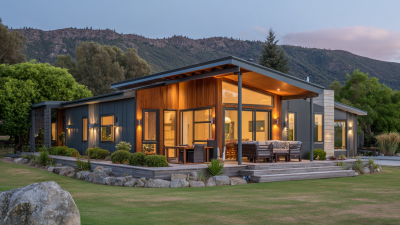
You know, the world of architecture is really changing these days. One pretty cool trend that’s been gaining traction is the Container House Solution. Basically, it’s about turning shipping containers into homes—kind of a fresh, eco-friendly take on building stuff. Joe Smith, who’s a pretty well-known expert over at Container Innovations, mentioned that “Container homes are a sustainable answer for modern living.” I think that pretty much sums it up.
These homes are super appealing if you’re into things that are affordable yet stylish. They go up pretty fast and are totally customizable, so you can really make them your own. But you might be wondering—does this work for everyone? Well, not exactly. There are some hiccups, like zoning laws and limited space, that could make things tricky for potential homeowners.
Still, a lot of people find real joy in building and living in these unique spaces. Container homes totally spark creativity and promote being eco-friendly at the same time. Each one of them kind of tells its own story about innovation and adaptability. The Container House Solution really challenges us to rethink traditional living, pushing us toward a future that’s more flexible and sustainable.
Container houses offer a unique solution for modern living. Their design emphasizes sustainability and efficiency. These homes are often affordable and can be quickly assembled. Shipping containers are durable and provide excellent insulation. They can be styled in various ways to suit personal tastes and needs. Furthermore, they can be placed in diverse locations.
Tips: When considering a container house, think about the local climate. Insulation is crucial for comfort. Use materials that enhance energy efficiency.
There can be challenges too. Zoning laws may restrict container homes. Layouts might feel restrictive if not planned well. It's important to reflect on your lifestyle needs. Ensure the design promotes both functionality and aesthetic appeal. Container houses can help you live lightly on the planet. Embrace creativity and innovation when designing your space.
Container homes are gaining traction as a modern solution for sustainable living. They offer an eco-friendly alternative to traditional housing. In fact, a report from the World Economic Forum highlights that building with recycled materials, like shipping containers, reduces construction waste by up to 80%. This statistic emphasizes the significant impact container homes can have on minimizing environmental footprints.
However, the idea is not without challenges. Container homes can be subject to extreme temperatures, which may increase energy consumption for heating or cooling. According to the U.S. Department of Energy, poorly insulated containers can lead to higher energy bills. While many advocates highlight their green benefits, the energy efficiency of these homes needs more attention. Thus, careful planning and design are crucial for maximizing efficiency and sustainability.
Moreover, the aesthetic appeal of container homes often raises concerns. Some may view them as unattractive or industrial. Yet, innovative designs are emerging to transform these structures into attractive living spaces. A report from the Global Green Building Council states that sustainable materials can enhance not only energy efficiency but also aesthetic value. Balancing aesthetics and sustainability remains a key challenge for the future of container living.
The cost-effectiveness of container houses is a significant factor for modern living. A report by the Container Homes Association states that the cost of building a container home can be up to 50% lower than traditional bricks-and-mortar options. This price advantage appeals to many first-time homeowners. The savings come from reduced material costs and faster construction times. However, factors like land availability and local regulations can complicate the overall cost.
Though appealing, there are challenges with container housing. Insulation and ventilation are critical, especially in extreme weather. A poorly insulated container can lead to uncomfortable living conditions. Additionally, local building codes may create hurdles. Some areas have restrictions on container homes, which can increase preparation expenses. The trade-offs can affect the long-term value of the investment.
Sustainability is another essential consideration. Using recycled containers reduces waste, making these homes more eco-friendly. However, transforming a container into a comfortable living space often requires additional resources. Buyers should weigh these factors carefully. The balance between cost savings and living conditions is vital to ensure a worthwhile investment in modern living.
When considering modern living solutions, container houses stand out for their design flexibility. They can be tailored to meet unique tastes and functional needs. According to a recent industry report, over 70% of homeowners express a desire for customized spaces. Container homes provide just that. Each unit can be modified to include specific layouts, materials, and finishes that reflect the inhabitant's personality.
The interior design possibilities are vast. With modular components, spaces can be adjusted to maximize sunlight or privacy. The use of large windows enhances natural light, creating a lively atmosphere. Furthermore, data indicates that container house buyers often emphasize eco-friendliness. Incorporating sustainable materials in their designs is a common trend. However, this approach can sometimes lead to compromises in insulation quality.
Some might find it challenging to visualize their ideal living space within a container. The shallow depth may limit certain design strategies. Critical thinking and planning are vital to overcome these limitations. While the customization potential is immense, not every idea translates perfectly into a physical structure. Each choice requires careful consideration to ensure both functionality and aesthetics are achieved.
Container houses offer unique mobility and location benefits that traditional homes cannot match. Imagine living in a space that you can easily relocate. This is a key advantage of container homes. They can be transported to various locations with relative ease. This flexibility can be crucial for those who seek adventure, or for professionals working in remote areas.
The ability to reposition your home fosters a sense of freedom. It opens doors to new experiences and opportunities. Picture yourself moving from a bustling city to a serene lakeside scenario without major hassle. However, this mobility can raise questions about stability. Can a container home provide the same sense of permanence as a traditional structure? Some might wonder if the aesthetics hold up in a constantly shifting location.
Adapting to different environments is yet another challenge. Will the design cater to both urban and rural settings? Factors such as climate and local regulations play a significant role in this adaptive process. Container living calls for thoughtful consideration. It's not just about being able to move; it’s also about making a place feel like home, regardless of where you are.
Container homes gain popularity for modern living, especially due to their insulation and energy efficiency. Insulating these structures can significantly reduce energy costs. Proper insulation ensures comfort in both hot and cold climates. With the right materials, container homes remain cool in summer and warm in winter.
Tips: Consider using spray foam insulation for a tight seal. It fills gaps and prevents air leaks. Additionally, explore eco-friendly insulation materials. These enhance energy efficiency while reducing environmental impact.
However, achieving optimal energy efficiency requires careful planning. It’s crucial to assess your local climate. Some insulation types might not perform well in specific areas. Mistakes in insulation can lead to higher energy costs. Rethink the insulation methods and ensure they suit your needs.
Tips: Regularly check for air leaks around doors and windows. Simple weather stripping can make a noticeable difference. Your energy efficiency journey may need adjustments along the way.
Living in container houses offers a unique community experience. These developments often bring together diverse residents. You can find artists, families, and professionals under one roof. This blend creates rich interactions and shared experiences.
The design of container homes encourages socializing. Open communal spaces invite gatherings. Residents can hold potlucks or neighborhood events. However, the sense of community can sometimes feel forced. Not everyone jives well with neighbors. Some may prefer solitude over socializing.
Container house developments spark interest in sustainable living. They use repurposed materials and are often energy efficient. Yet, challenges arise. Not all structures are equally insulated or equipped. Some might struggle with weather conditions or space limitations. Balancing aesthetics and functionality requires careful thought. Living in such a space pushes us to rethink conventional living.
Flat pack container houses are revolutionizing the way we approach housing solutions, particularly in urban environments where space is at a premium. These innovative living solutions offer a unique combination of affordability, flexibility, and sustainability. Research from the International Association for Urban Planning indicates that the adoption of modular housing can reduce construction costs by up to 30% compared to traditional building methods. This trend is particularly beneficial in regions experiencing rapid population growth, where the demand for housing far exceeds supply.
One of the key advantages of flat pack container houses is their quick assembly time. Many models can be erected in a matter of days, allowing for swift deployment in response to housing crises or natural disasters. Additionally, these structures are designed to meet high standards of quality and sustainability, with many incorporating energy-efficient systems that reduce long-term operational costs. An industry report from the Global Modular Construction Market estimates that the market will grow at a CAGR of 7.5% over the next five years, driven by the increasing need for sustainable and rapidly deployable housing options.
Furthermore, the support from high-quality control departments ensures that each container house meets rigorous safety and livability standards. These service centers facilitate continuous improvement in construction methodologies, leading to better design and functionality. As consumers become more environmentally conscious, the flat pack container house industry is positioned to thrive, offering not only a viable solution to housing shortages but also a pathway towards more sustainable living practices.
: The product aims to enhance user experience and provide efficient solutions for daily tasks.
Follow the provided guidelines. Ensure you understand each step for optimal performance.
Sharing accounts is not recommended. It can compromise your security and personal data.
Troubleshoot by checking the FAQ section. If problems persist, contact support for assistance.
Yes, some features may not work in specific conditions. Test them beforehand to avoid frustration.
You can send your thoughts via the feedback form. Constructive criticism is always welcome.
Yes, some users may find it challenging at first. Practice can help improve your confidence and skills.
Users often overlook important steps. Always review instructions carefully to avoid inconveniences.
Updates happen regularly. They aim to improve functionality and address user concerns based on feedback.
It may work in various regions, but compatibility can vary. Check local requirements before using it.
The "Container House Solution" is increasingly recognized for its advantages in modern living. These innovative homes offer significant sustainability benefits, reducing environmental impact through the recycling of shipping containers. Their cost-effectiveness is evident when compared to traditional homes, making them an appealing option for budget-conscious homeowners. Furthermore, the design flexibility of container houses allows for creative customization, adapting to various aesthetic preferences and functional needs.
Additionally, the mobility of container houses provides unique location advantages, enabling homeowners to relocate with ease. With effective insulation and energy-efficient designs, these homes can maintain comfortable living conditions year-round. Lastly, living in container house developments fosters a strong community spirit and lifestyle, appealing to those seeking a modern, sustainable way of life. Overall, the Container House Solution is a forward-thinking alternative that seamlessly integrates into contemporary living.